







Questions? We're here to help.
What Is Ketamine?
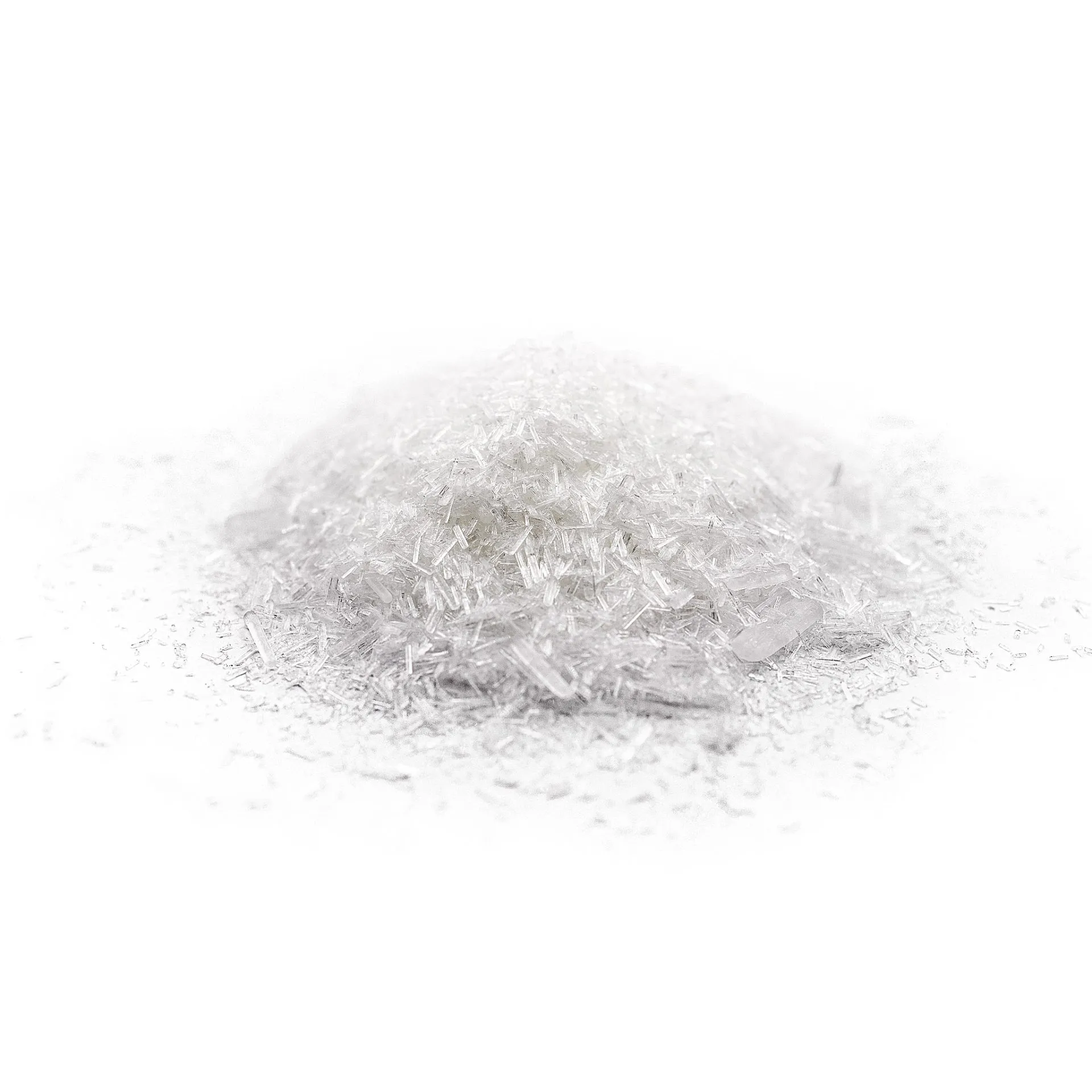
Ketamine is a classical dissociative substance of the arylcyclohexylamine class. Originally used as a surgical anesthetic but after becoming popular recreationally it is now used for its potential to relieve treatment-resistant depression. Effects of Ketamine are highly dose dependent. Subjective effects submitted by users report Ketamin at lower doses causes alcohol-like disinhibition and relaxing effects. At high doses, ketamine causes effects including motor control loss, hallucinations, memory suppression, dissociation, and potentially “out-of-body” experiences.
Directions For Use
1. Dose
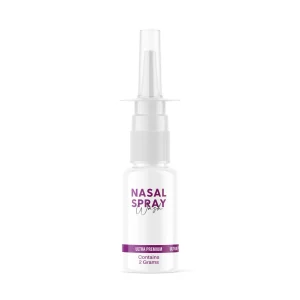
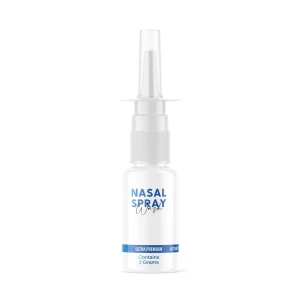
- Therapeutic Dosage: Dosage levels for Type S Ketamine are typically individualized, based on patient needs and response. Administration methods include nasal spray, intravenous (IV), or intramuscular (IM) routes, commonly in a clinical setting.
- Controlled Administration: Type S Ketamine is often dosed at intervals, such as once or twice weekly, to avoid tolerance buildup and monitor effects over time.
2. Preparation
- Hydration and Nutrition: Maintaining hydration and eating a balanced meal prior to the session can improve comfort, as ketamine sometimes causes mild nausea.
- Calm Environment: A relaxed, comfortable clinical setting enhances the therapy experience, reducing the likelihood of anxiety or discomfort.
3. During Use
- Professional Supervision: With Type S Ketamine, professional oversight is crucial, as the experience may involve some dissociative effects. Medical personnel monitor vital signs and response to ensure patient safety.
- Minimal Stimulation: A quiet, low-stimulation environment can help keep patients calm and comfortable as they process the ketamine experience, promoting therapeutic breakthroughs.
4. Post-Use Care
-
- Rest and Recovery: Mild fatigue or dizziness can persist post-session, so rest and hydration are recommended. Some patients also report mild mood sensitivity.
- Therapeutic Integration: Post-session counseling can help patients reflect on and integrate their ketamine experience, maximizing long-term therapeutic benefits.
Duration
The effects of Type S Ketamine last between 1 to 2 hours, depending on the dose and administration method. Here’s a breakdown:
- Onset (5-10 minutes): Effects usually begin within a few minutes (particularly with IV or IM administration), with patients often experiencing mild euphoria, a sense of calm, and reduced anxious thoughts.
- Peak Effects (30-60 minutes): The peak effect phase may involve a blend of relaxation, dissociation, and introspection. Type S Ketamine is noted for being somewhat gentler in dissociative impact compared to other ketamine forms.
- Comedown (30-60 minutes): The effects gradually wear off, leaving patients often feeling calm, centered, and reflective as they return to their baseline state.
- Aftereffects (up to 24 hours): Some report feeling “lighter” emotionally, with reduced depressive symptoms lasting for days to weeks, depending on individual response and therapy structure.

Reviews
There are no reviews yet.